https://github.com/bjoernbiltzinger/pynchrotron
Implements synchrotron emission from cooling electrons
Science Score: 23.0%
This score indicates how likely this project is to be science-related based on various indicators:
-
○CITATION.cff file
-
○codemeta.json file
-
○.zenodo.json file
-
✓DOI references
Found 3 DOI reference(s) in README -
✓Academic publication links
Links to: nature.com, zenodo.org -
○Academic email domains
-
○Institutional organization owner
-
○JOSS paper metadata
-
○Scientific vocabulary similarity
Low similarity (9.6%) to scientific vocabulary
Last synced: 10 months ago
·
JSON representation
Repository
Implements synchrotron emission from cooling electrons
Basic Info
- Host: GitHub
- Owner: BjoernBiltzinger
- License: gpl-3.0
- Language: Python
- Default Branch: master
- Homepage: https://grburgess.github.io/portfolio/grbs/
- Size: 424 KB
Statistics
- Stars: 0
- Watchers: 0
- Forks: 0
- Open Issues: 0
- Releases: 0
Fork of grburgess/pynchrotron
Created over 5 years ago
· Last pushed over 4 years ago
https://github.com/BjoernBiltzinger/pynchrotron/blob/master/
[](https://travis-ci.org/grburgess/pynchrotron)
[](https://codecov.io/gh/grburgess/pynchrotron)
[](https://doi.org/10.5281/zenodo.3544259)
# pynchrotron
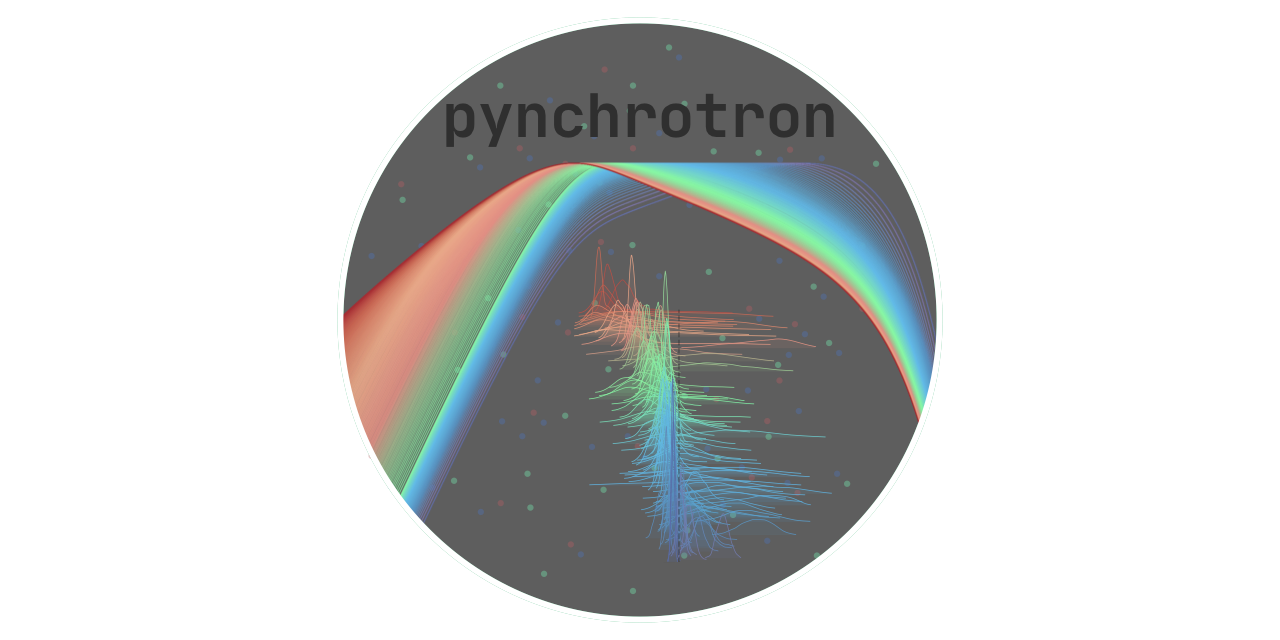
Implements synchrotron emission from cooling electrons. This is the model used in [Burgess et al (2019)](https://www.nature.com/articles/s41550-019-0911-z?utm_source=feedburner&utm_medium=feed&utm_campaign=Feed%3A+natastron%2Frss%2Fcurrent+%28Nature+Astronomy%29&utm_content=Google+Feedfetcher). Please cite if you find this code useful for your research.
* This code gets rid of the need for GSL which was originally relied on for a quick computation of the of the synchrotron kernel which is an integral over a Bessel function.
* This code has been ported from GSL and written directly in python as well as accelerated with numba
* An astromodels function is also supplied for direct use in 3ML.
## Usage
```python
import numpy as np
import matplotlib as mpl
import matplotlib.pyplot as plt
%matplotlib inline
import pynchrotron
```
/Users/jburgess/.environs/pynchro/lib/python3.7/site-packages/astromodels/core/parameter.py:555: UserWarning: We have set the min_value of K to 1e-99 because there was a postive transform
warnings.warn('We have set the min_value of %s to 1e-99 because there was a postive transform' % self.path)
/Users/jburgess/.environs/pynchro/lib/python3.7/site-packages/astromodels/core/parameter.py:555: UserWarning: We have set the min_value of xc to 1e-99 because there was a postive transform
warnings.warn('We have set the min_value of %s to 1e-99 because there was a postive transform' % self.path)
## Create an astromodels model
```python
model = pynchrotron.SynchrotronNumerical()
model
```
- description: Synchrotron emission from cooling electrions
- formula: $ $
- parameters:
- K:
- value: 1.0
- desc: normalization
- min_value: 0.0
- max_value: None
- unit:
- is_normalization: False
- delta: 0.1
- free: True
- B:
- value: 100.0
- desc: energy scaling
- min_value: 0.01
- max_value: None
- unit:
- is_normalization: False
- delta: 10.0
- free: True
- index:
- value: 3.5
- desc: spectral index of electrons
- min_value: 2.0
- max_value: 6.0
- unit:
- is_normalization: False
- delta: 0.35000000000000003
- free: True
- gamma_min:
- value: 500000.0
- desc: minimum electron lorentz factor
- min_value: 1.0
- max_value: None
- unit:
- is_normalization: False
- delta: 50000.0
- free: False
- gamma_cool:
- value: 90000000.0
- desc: cooling time of electrons
- min_value: None
- max_value: None
- unit:
- is_normalization: False
- delta: 9000000.0
- free: True
- gamma_max:
- value: 100000000.0
- desc: minimum electron lorentz factor
- min_value: 1000000.0
- max_value: None
- unit:
- is_normalization: False
- delta: 10000000.0
- free: False
- bulk_gamma:
- value: 1.0
- desc: bulk Lorentz factor
- min_value: 1.0
- max_value: None
- unit:
- is_normalization: False
- delta: 0.1
- free: False
- K:
Owner
- Name: Björn Biltzinger
- Login: BjoernBiltzinger
- Kind: user
- Location: Munich
- Repositories: 9
- Profile: https://github.com/BjoernBiltzinger
PhD Student at MPE in Garching