Science Score: 54.0%
This score indicates how likely this project is to be science-related based on various indicators:
-
✓CITATION.cff file
Found CITATION.cff file -
✓codemeta.json file
Found codemeta.json file -
✓.zenodo.json file
Found .zenodo.json file -
○DOI references
-
✓Academic publication links
Links to: zenodo.org -
○Academic email domains
-
○Institutional organization owner
-
○JOSS paper metadata
-
○Scientific vocabulary similarity
Low similarity (8.6%) to scientific vocabulary
Repository
Basic Info
- Host: GitHub
- Owner: leej200100
- License: mit
- Language: Swift
- Default Branch: main
- Size: 1.11 MB
Statistics
- Stars: 0
- Watchers: 1
- Forks: 0
- Open Issues: 0
- Releases: 0
Metadata Files
README.md
Spezi





Open-source framework for rapid development of modern, interoperable digital health applications.
Overview
[!NOTE] Refer to the Initial Setup instructions on how to integrate Spezi into your application!
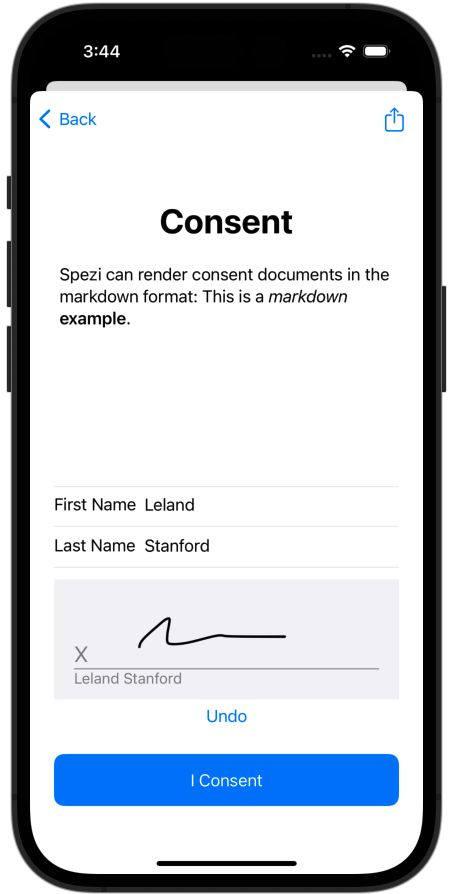
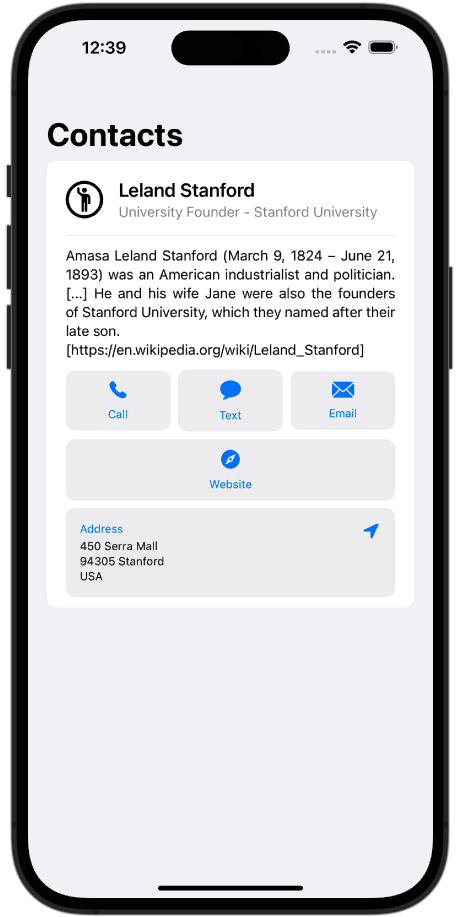
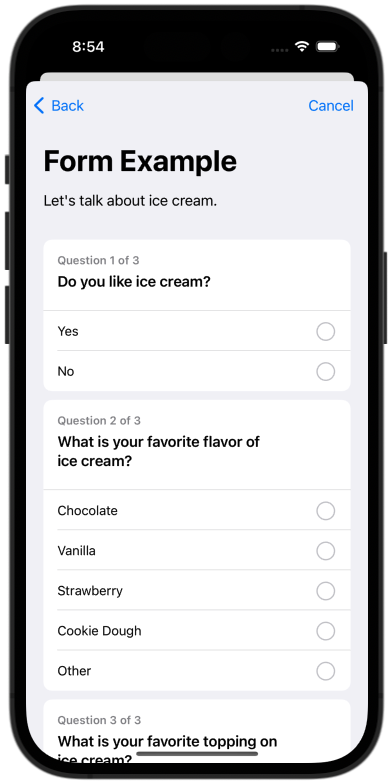
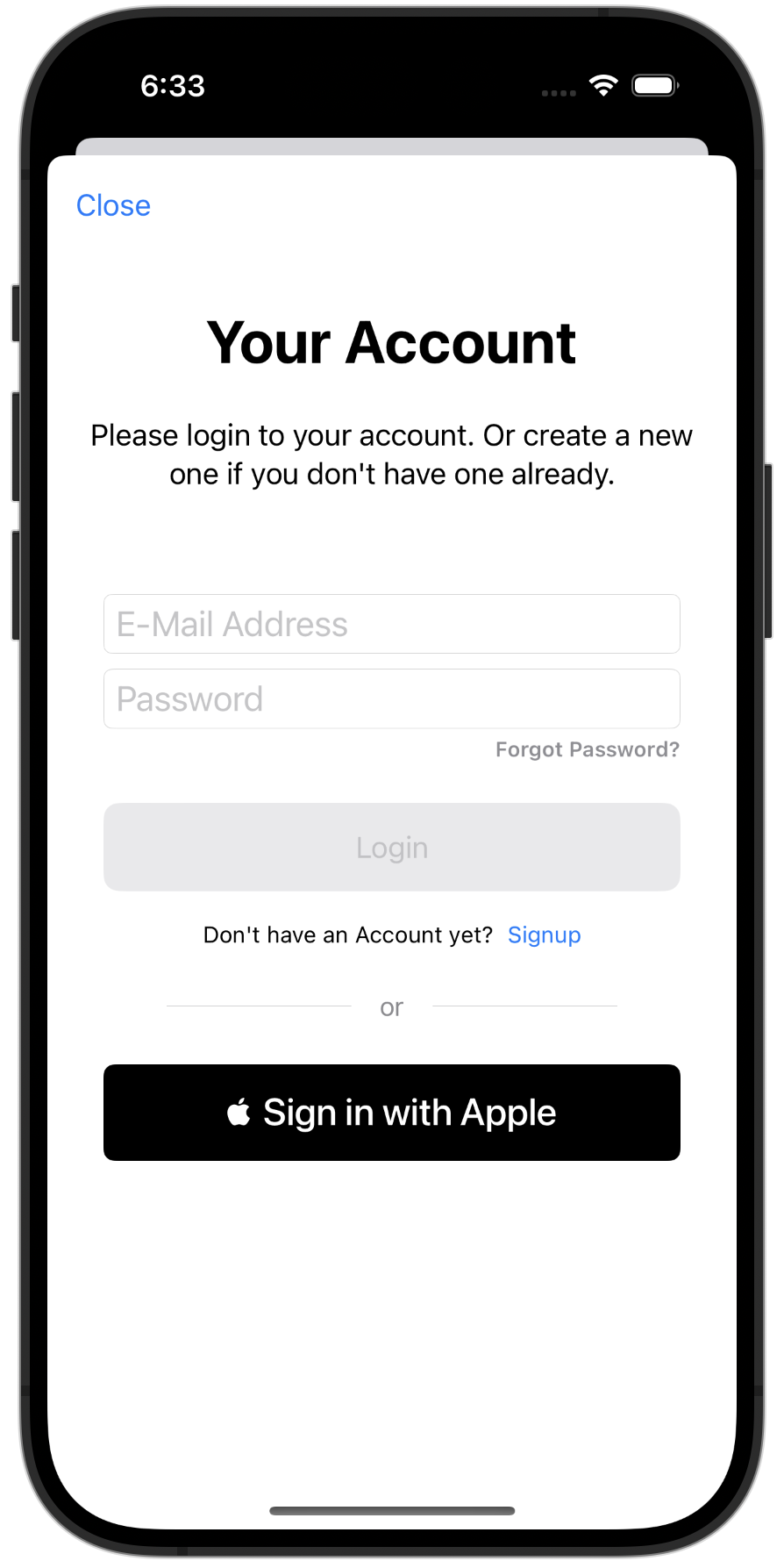
Spezi introduces a standards-based modular approach to building digital health applications.
|
 |
|
 |
|
 |
|:--:|:--:|:--:|
|The Spezi Onboarding Module|The Spezi Contact Module|The Spezi Questionnaire Module|
|
|
|:--:|:--:|:--:|
|The Spezi Onboarding Module|The Spezi Contact Module|The Spezi Questionnaire Module|
|
 |
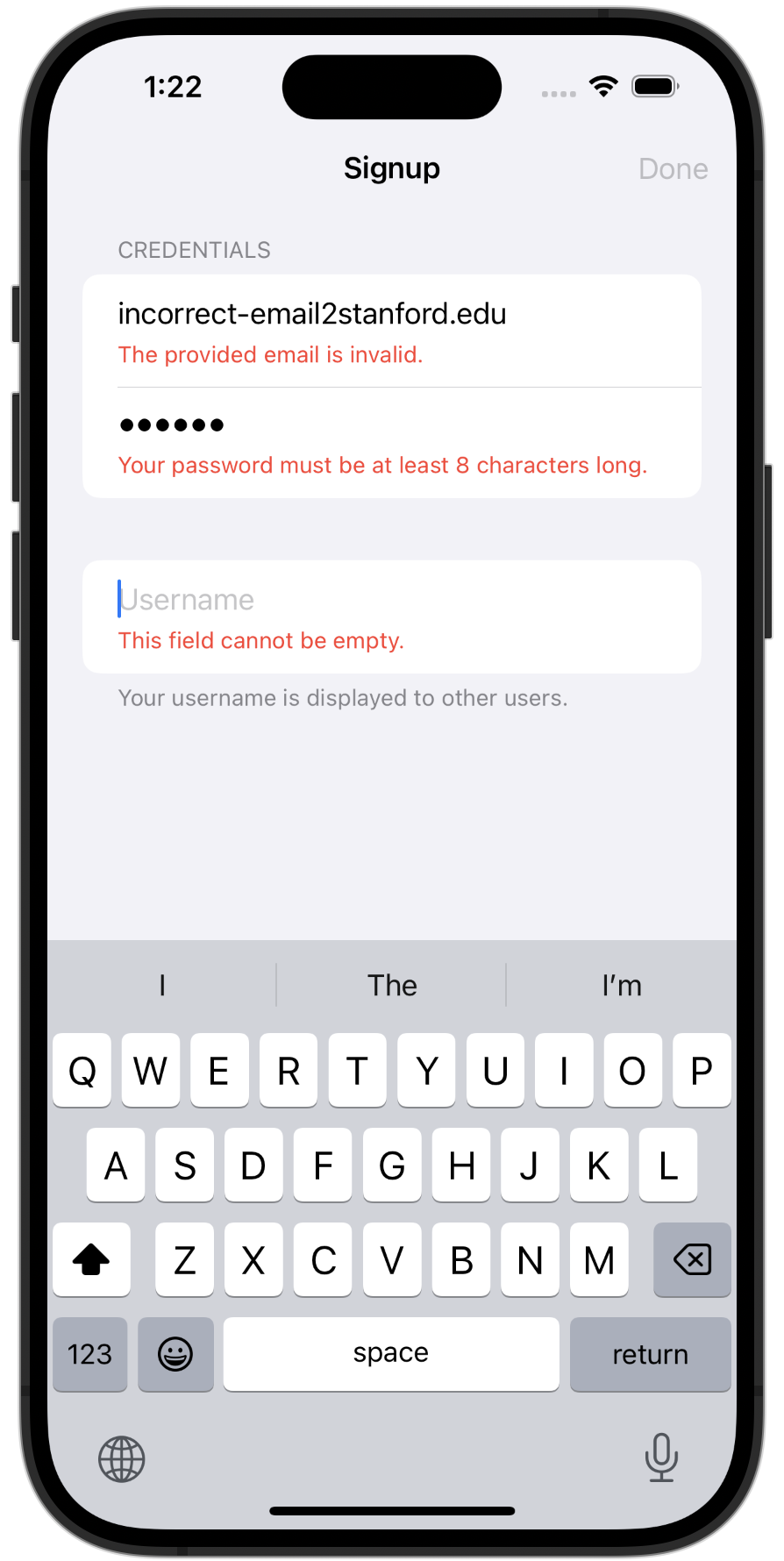
|
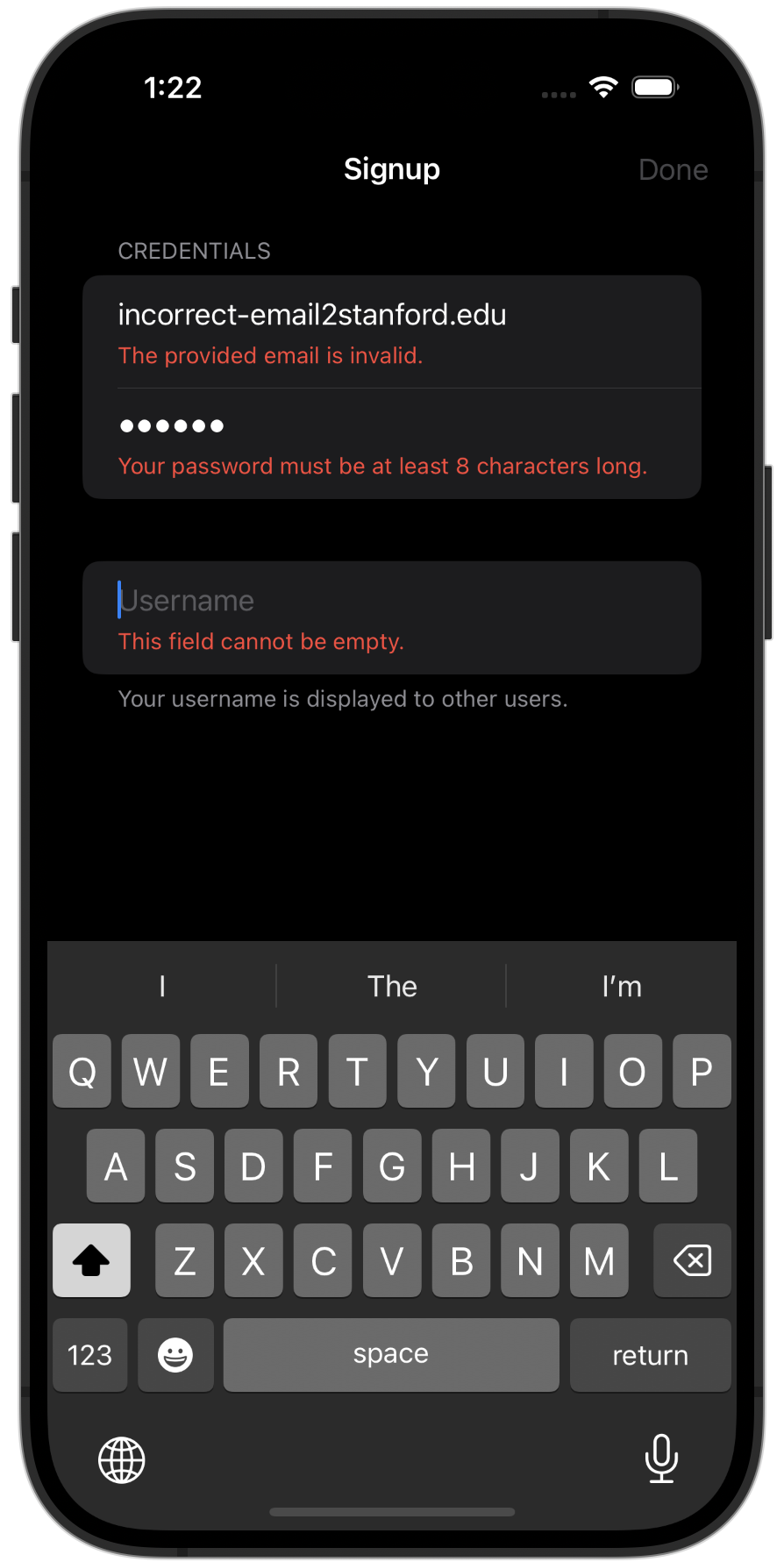 |
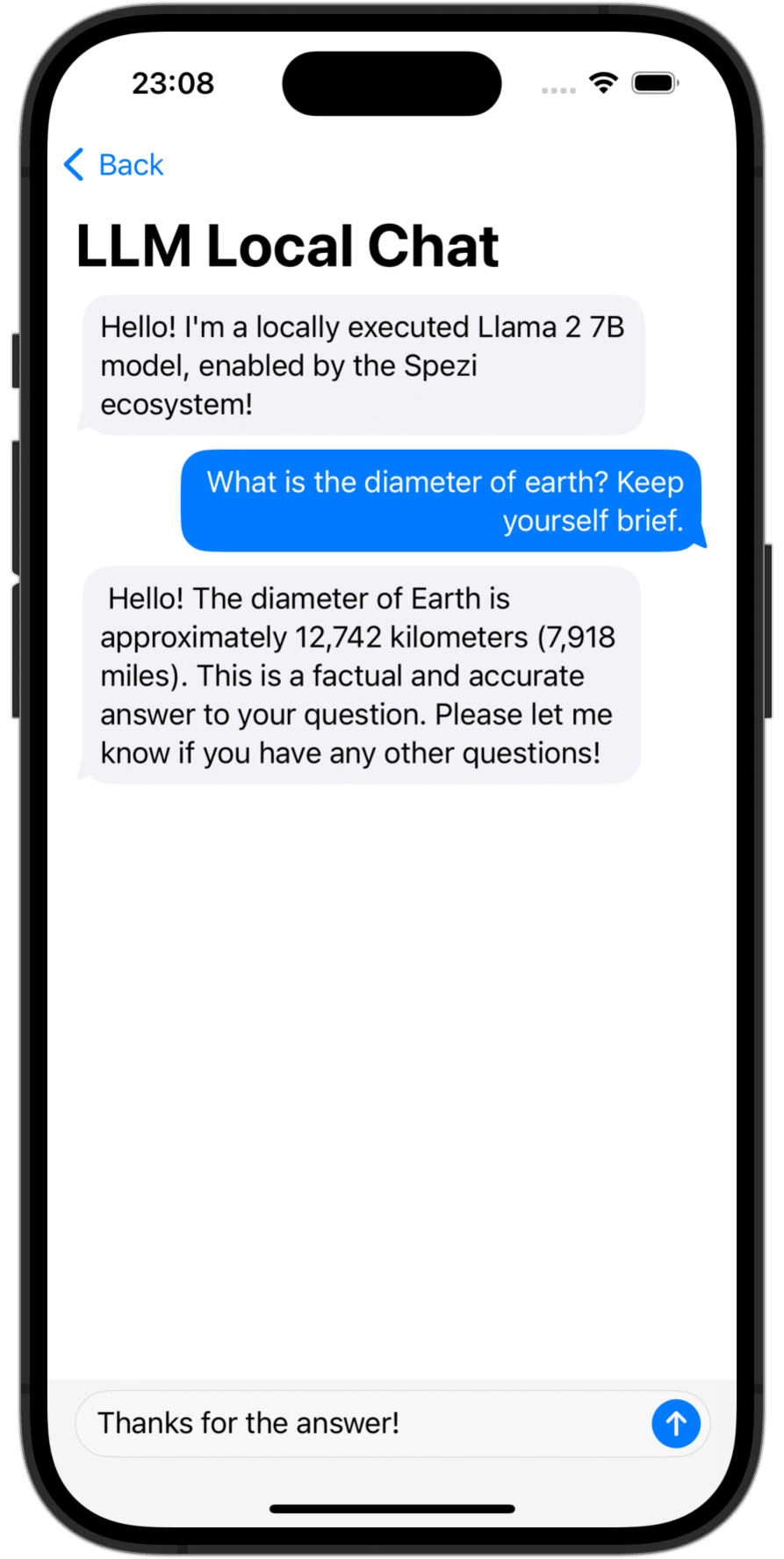
|
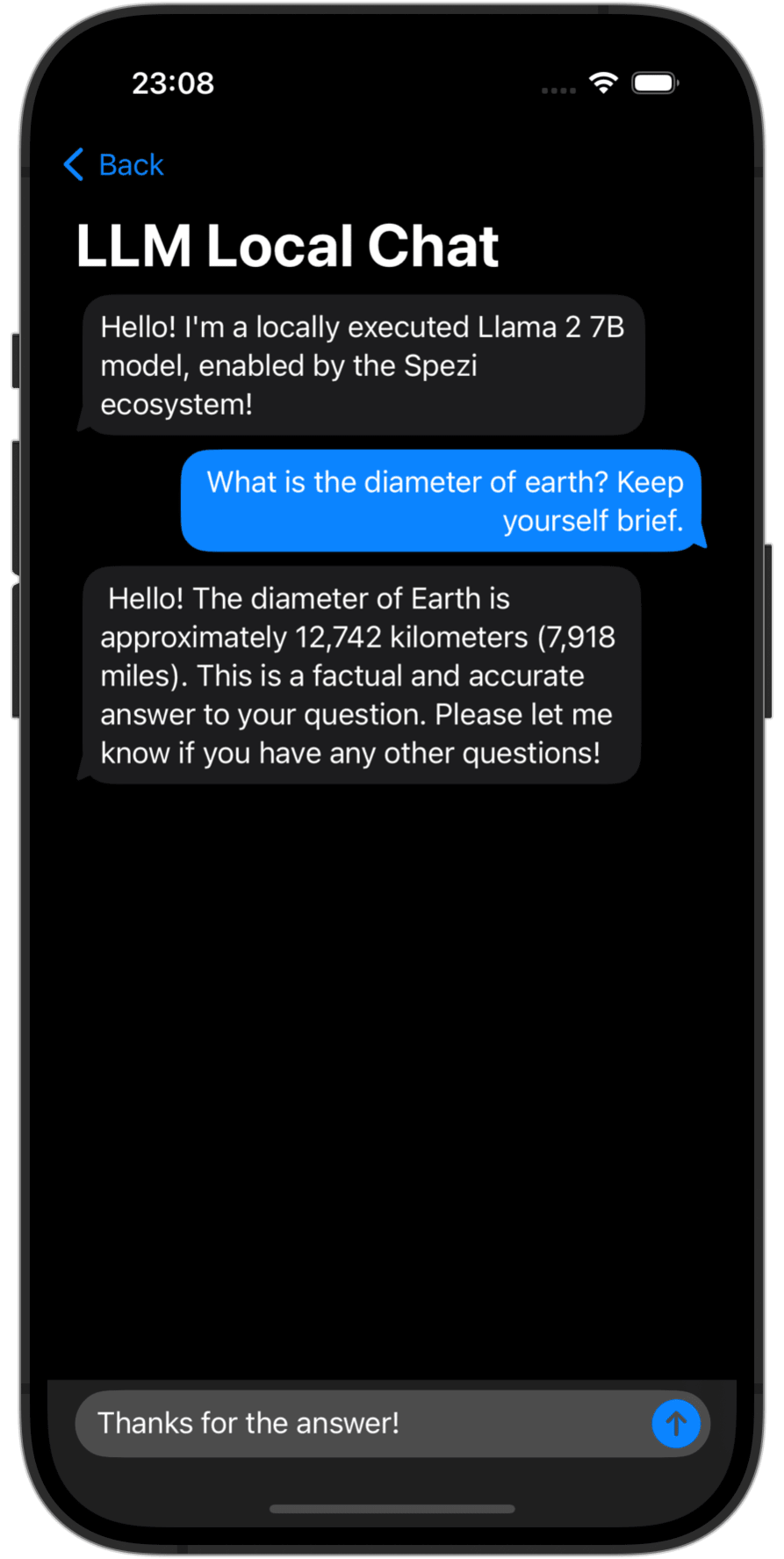 |
|The Spezi Account Module|The
|
|The Spezi Account Module|The SpeziValidation package of the Spezi Views Module.|The Spezi LLM Module|
The best way to get started and explore the functionality of Spezi is by taking a look at the Spezi Template Application. The application incorporates a wide variety of sophisticated modules and demonstrates the usage of these modules in a simple-to-use and easy-to-extend application.
An Ecosystem of Modules
You can find a list of modules and reusable Swift Packages offered by the Spezi team at Stanford at the Swift Package Index Stanford Spezi page.
[!NOTE] Spezi relies on an ecosystem of modules. Think about what modules you want to build and contribute to the open-source community! Refer to the Spezi Guide and Documentation Guide about the requirements for Spezi-based software and the
Moduledocumentation to learn more about building your modules.
Learn more about Spezi at spezi.stanford.edu. Reach out to us on social media and use the Stanford Spezi Discussion Forum to ask any Spezi-related questions or share the projects you built with Spezi.
Check out the Stanford Biodesign Digital Health GitHub organization and Stanford Biodesign Digital Health website at bdh.stanford.edu, for example, applications built with Spezi and some of our related open-source and research projects.
The Spezi Building Blocks
[!NOTE] The Spezi Guide and Documentation Guide guides define the requirements for Spezi-based modules, including terminology, hints, and examples on structuring your Spezi module, Swift Package, and surrounding repository.
A Standard defines the key coordinator that orchestrates the data flow in the application by meeting requirements defined by modules.
You can learn more about the Standard protocol and when it is advised to create your own standard in your application in the Standard documentation.
A Module defines a software subsystem providing distinct and reusable functionality.
Modules can use the constraint mechanism to enforce a set of requirements to the standard used in the Spezi-based software where the module is used.
Modules also define dependencies on each other to reuse functionality and can communicate with other modules by offering and collecting information.
They can also conform to different protocols to provide additional access to Spezi features, such as lifecycle management and triggering view updates in SwiftUI using the observable mechanisms in Swift.
You can learn more about modules in the Module documentation.
For more information, please refer to the API documentation.
Contributing
Contributions to this project are welcome. Please make sure to read the contribution guidelines and the contributor covenant code of conduct first.
License
This project is licensed under the MIT License. See Licenses for more information.


Owner
- Name: ZHICHENG
- Login: leej200100
- Kind: user
- Repositories: 1
- Profile: https://github.com/leej200100
I am a senior Full-Stack Mobile and Web Developer over 5 years of Experience
Citation (CITATION.cff)
#
# This source file is part of the Stanford Spezi open-source project
#
# SPDX-FileCopyrightText: 2022 Stanford University and the project authors (see CONTRIBUTORS.md)
#
# SPDX-License-Identifier: MIT
#

cff-version: 1.2.0
message: "If you use this software, please cite it as below."
authors:
- family-names: "Schmiedmayer"
  given-names: "Paul"
  orcid: "https://orcid.org/0000-0002-8607-9148"
- family-names: "Bauer"
  given-names: "Andreas"
  orcid: "https://orcid.org/0000-0002-1680-237X"
- family-names: "Zagar"
  given-names: "Philipp"
  orcid: "https://orcid.org/0009-0001-5934-2078"
- family-names: "Ravi"
  given-names: "Vishnu"
  orcid: "https://orcid.org/0000-0003-0359-1275"
- family-names: "Aalami"
  given-names: "Oliver"
  orcid: "https://orcid.org/0000-0002-7799-2429"
title: "Stanford Spezi"
doi: 10.5281/zenodo.7538238
url: "https://github.com/StanfordSpezi/Spezi"
GitHub Events
Total
- Create event: 2
Last Year
- Create event: 2